Artificial intelligence is no longer a distant possibility. It is already reshaping how we learn, work, communicate, build businesses and solve problems.
For Nigeria, the more important question is therefore not whether AI will transform our future. It is whether our young people will merely experience that transformation or whether they will have the knowledge, skills and confidence to shape it.
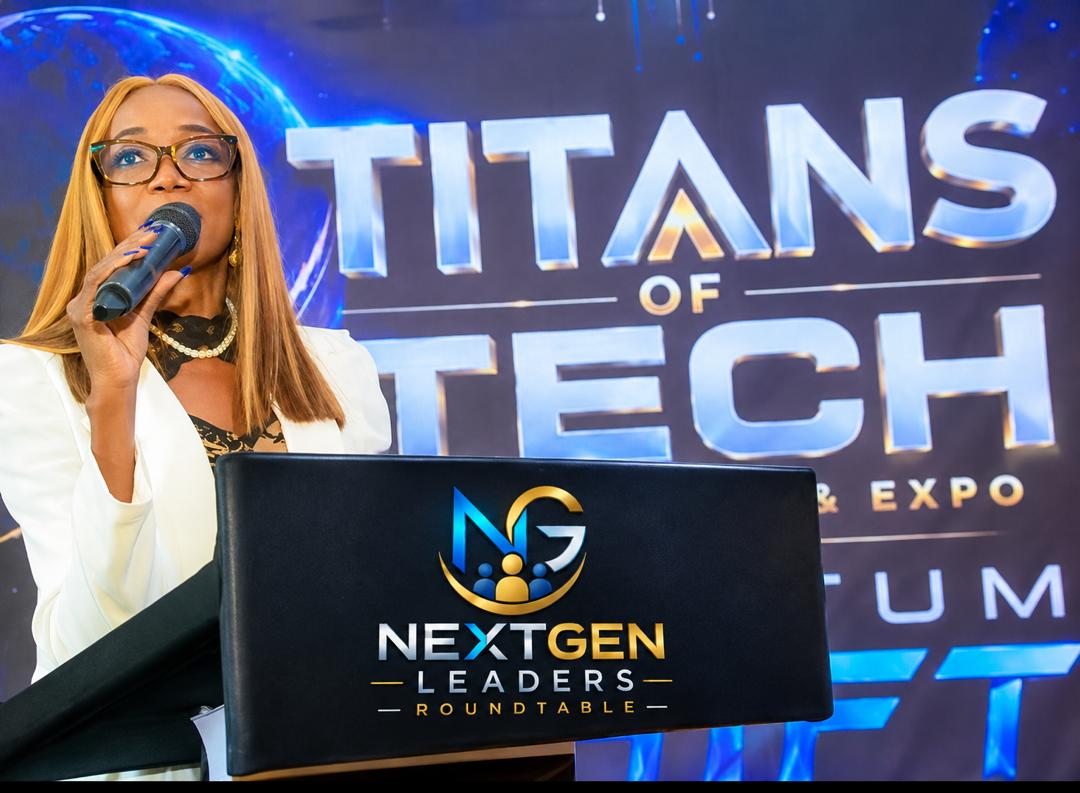
That question sits at the heart of the NextGen Digital Leaders Roundtable, held as a special feature of the 2026 Titans of Tech Conference & Expo in Lagos.
The Roundtable represents something bigger than another technology conversation. It is an investment in the people who will ultimately determine what Nigeria’s digital future looks like.
Some of the companies that will shape Nigeria’s economy tomorrow do not yet exist. Some of the technologies and solutions we will depend on have not yet been developed. Even some of the policies that will govern our digital future are still being debated.
The young Nigerians who will create those companies, develop those solutions and contribute to those policies may already be among us.
Our responsibility is to prepare them.
Talent Must Become Capability
Nigeria has an enormous reservoir of young talent. Nigerian innovators have already demonstrated their capacity across fintech, software development, digital services, the creative economy and other technology-driven sectors.
But talent by itself is not enough.
The AI era demands a generation that can do more than consume technology. We need young Nigerians who can create technology, improve it, apply it to real-world problems and understand the responsibilities that come with it.
That means expanding our definition of digital education.
Young people need practical knowledge of artificial intelligence, data, cybersecurity, digital tools and entrepreneurship. But they also need to understand digital citizenship, data protection, internet governance and responsible technology use.
The objective should not simply be to produce people who know how to use the latest AI tool.
It should be to produce people who understand why, where and how technology should be used to solve meaningful problems.
The Four Foundations of Digital Leadership
There are four areas every aspiring digital leader should take seriously.
First: Build competence.
Learning cannot end with a degree or certificate. Technology is evolving too quickly for that.
Young people must develop practical skills, remain curious and be prepared to learn, unlearn and learn again. The real value of education increasingly lies not only in what we know, but in what we can do with what we know.
Second: Build character.
Technology gives people extraordinary power, but power without responsibility can create harm.
As our dependence on digital platforms and artificial intelligence grows, responsible digital citizenship becomes increasingly important.
Young Nigerians must understand privacy, cybersecurity and online safety. They must think critically about information before consuming or sharing it.
In the digital economy, trust will remain one of the most valuable assets.
Third: Become creators.
Young people should not always wait for someone else to create an opportunity for them.
Nigeria has challenges across education, healthcare, agriculture, transportation, finance and governance. Each challenge can also become an opportunity for innovation.
Some of tomorrow’s most important businesses may emerge from simple ideas developed by young Nigerians who understand the problems in their own communities.
The instruction is simple: start small if necessary, but start.
Fourth: Build relationships and community.
No One Succeeds Alone.
Young innovators need mentors, peers, industry connections and communities that challenge them to grow. They must also understand that leadership includes creating opportunities for others.
The digital economy should not become another space where opportunity is concentrated among a few.
Digital Leadership Goes Beyond Coding
There is another dimension that deserves greater attention.
Technology is not only about building applications, deploying artificial intelligence or launching digital platforms. It is also about understanding how the digital world is governed.
The rules shaping AI, data, digital platforms and the internet are being developed today.
Nigeria needs young people who are not only technically competent but also prepared to participate in these conversations.
The country needs future engineers, founders and developers, but it also needs digital policymakers, cybersecurity professionals, technology lawyers, researchers, regulators and responsible technology advocates. Digital leadership must therefore combine technical capability with civic responsibility.
Inclusion Must Remain Central
Nigeria’s digital transformation will only be meaningful if it creates opportunities beyond those who are already connected. Young people and communities that remain underserved must not be left behind.
Digital inclusion should mean more than access to devices or connectivity.
It should include access to knowledge, skills, mentorship, networks and opportunities to participate meaningfully in the digital economy.
This is why partnerships between industry, government, civil society, foundations and educational institutions matter.
The Ndukwe Kalu Foundation’s involvement in the NextGen Digital Leaders Roundtable reflects this broader responsibility. Its focus on education, youth development, digital inclusion, capacity building and community empowerment aligns with the need to prepare young Nigerians for an increasingly technology-driven economy.
The Future Is a Responsibility
There is a tendency to speak about the future as though it is something that will simply arrive.
It Will Not.
The future will be shaped by the decisions we make today about education, skills, infrastructure, inclusion, innovation and responsible technology.
If Nigeria wants to participate meaningfully in the AI economy, preparing young people cannot be treated as a side conversation.
It Must Be Central To The National Digital Agenda.
We must give young Nigerians the opportunity to learn, experiment, create, build businesses, solve problems and lead.
We must connect them with mentors and industry. We must expose them to real opportunities. We must encourage them to think beyond the classroom and turn ideas into solutions.
Most importantly, we must trust them enough to give them a seat at the table.
Nigeria’s AI future will not be built by technology alone.
It will be built by people.
And the work of preparing those people must begin now.